Sri Lanka’s economic recovery is gathering momentum, but another increase in the price of bread raises an uncomfortable question. If the economy is improving, why does everyday life remain such a struggle for so many?
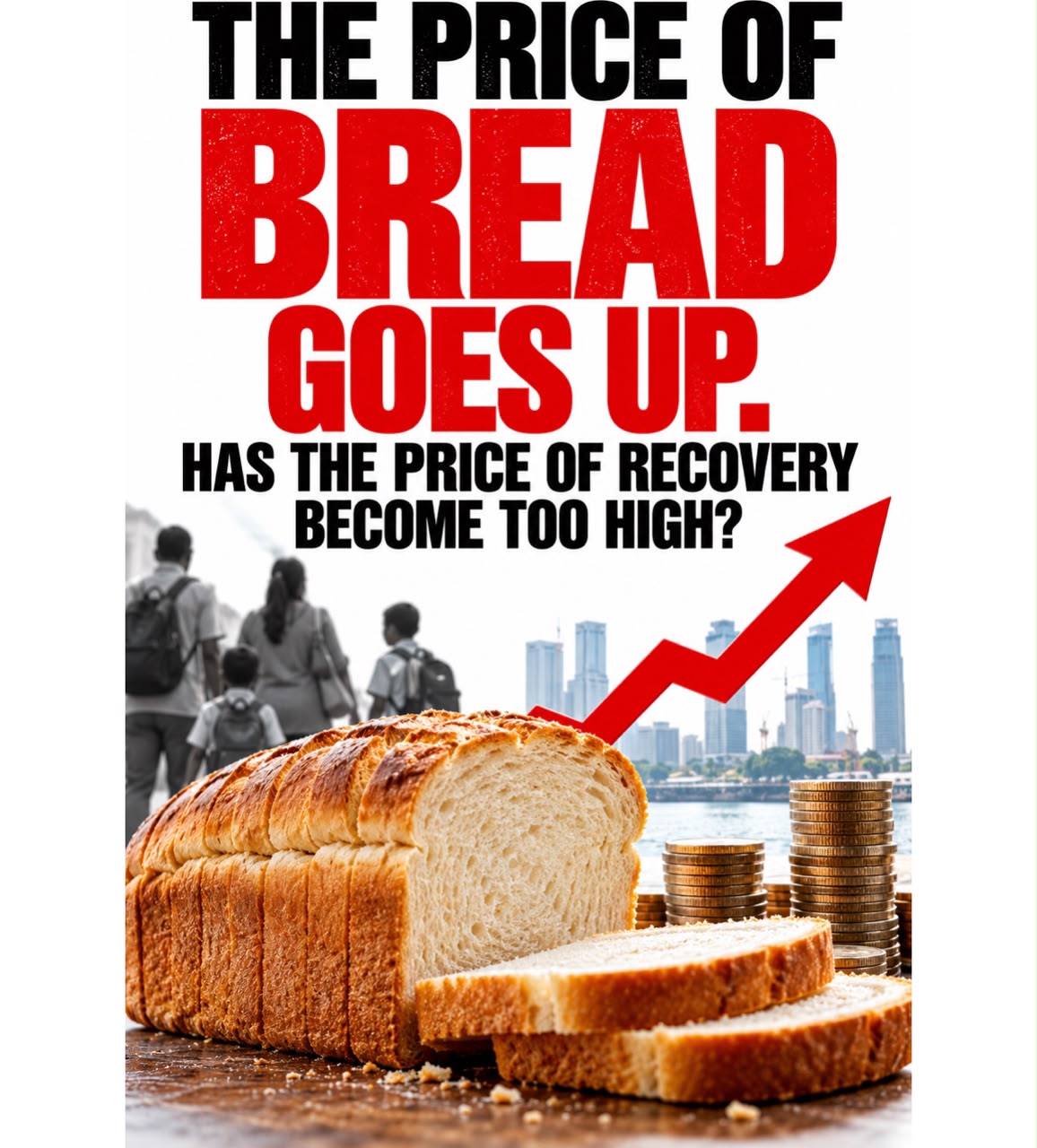
Sri Lanka’s consumers have been handed another reminder that economic recovery does not necessarily translate into relief at the household level. From midnight on Friday, the price of a 450-gram loaf of bread rises by Rs. 5, with other bakery products also increasing by the same amount. The announcement by the All Ceylon Bakery Owners’ Association may appear relatively modest, but its significance extends well beyond the bakery counter.
For a family counting every rupee, bread is not a luxury. It is breakfast before school, a hurried lunch between shifts, and sometimes the cheapest available substitute for a proper meal. An increase of five rupees may mean little to those who measure economic success through financial indicators, but to households already struggling with transport, electricity, medicine and food costs, it is another addition to an increasingly unforgiving household budget.
Submit Your Press Release
Get your company news, announcements, launches, appointments and events in front of a wider audience.


The timing is particularly revealing. Sri Lanka is preparing for another national Budget against a background of improving economic indicators, stronger tourism activity and renewed international confidence. The government can legitimately point to progress in stabilising an economy that suffered an unprecedented collapse. But stabilisation and prosperity are not interchangeable concepts, and the distinction matters enormously to ordinary people.
A country can report improving reserves, expanding economic activity and better international creditworthiness while substantial sections of its population remain financially insecure. Inflation may slow without prices returning to their former levels. Wages may increase without purchasing power recovering sufficiently to restore the standard of living that families once enjoyed.
The question is no longer simply whether Sri Lanka has escaped its immediate economic emergency. It is whether the benefits of recovery are being distributed fairly and whether the country’s economic policies are capable of rebuilding the financial security of ordinary citizens.
The government of President Anura Kumara Dissanayake inherited formidable economic difficulties. It would be unreasonable to expect every consequence of the financial collapse to disappear overnight. Equally, it would be unreasonable to ask the public to accept improving national statistics indefinitely as a substitute for tangible improvements in daily life.
There is another dimension that deserves scrutiny. When essential food prices increase, consumers are entitled to know why. Have flour prices risen? Have energy, transport or labour costs changed sufficiently to justify the adjustment? What proportion of the increase reflects unavoidable production costs, and what proportion represents commercial pricing decisions? Transparency should not be an unreasonable expectation in a market supplying basic necessities.
Nor should the responsibility fall entirely upon the government. Producers, distributors, importers and retailers operate within an economy whose ultimate purpose must include serving the people who sustain it. Commercial viability is essential, but so too is accountability, particularly when the products concerned form part of the daily diet of millions.
Sri Lanka’s economic debate has become increasingly sophisticated in its treatment of debt sustainability, fiscal discipline and international confidence. Yet the simplest test of economic progress remains remarkably uncomplicated. Can a working family afford nutritious food, decent housing, healthcare, education and a modest measure of financial security without constantly borrowing against tomorrow?
Be that as it may, the government deserves credit where recovery is demonstrable, and criticism where recovery has failed to reach the people. Neither political celebration nor opposition condemnation should obscure the central issue.
An economy is not truly recovering for its people merely because its numbers improve. Recovery becomes meaningful when the people themselves begin to feel it.
For millions of Sri Lankans, that moment has yet to arrive.