Taliban authorities in Afghanistan’s northern Balkh province have ordered civil servants and healthcare workers to stop recording women’s first names on official documents, hospital files, and medical prescriptions, replacing them instead with the generic title “Bibi”. According to joint investigative reporting by Afghan exiled outlet Zan Times, The Guardian, and Spain’s El País, the directive, quietly issued in May, has also seen women referred to in clinics and administrative records using animal terms such as “goat” and “cow”. The policy marks a stark new phase in the systematic removal of Afghan women from public and institutional life.
While “Bibi” is traditionally used across Afghan society as a respectful honorific for an older woman, making it a mandatory administrative substitute strips individual women of legal and personal recognition. More troubling still are testimonies gathered during the investigation showing that officials and staff have used animal labels when registering female patients. Afghan women’s rights campaigner Lalah Osmany, who previously led the #WhereIsMyName campaign challenging taboos against speaking women’s names in public, told El País that the Balkh order reflects a deliberate effort to dehumanize women. In a society where many women are already identified publicly only through a male relative, and are frequently denied their own names even on gravestones, removing their names from state and medical records eliminates one of the last remaining markers of individual identity.
Beyond the assault on human dignity, medical professionals and rights advocates warn that anonymizing female patients inside hospitals creates immediate, life-threatening clinical risks. In busy provincial wards and pharmacies where dozens of case files, diagnostic test results, and drug prescriptions carry the identical label “Bibi” or an impersonal number, the likelihood of misdiagnosis, swapped laboratory reports, and dangerous medication errors increases sharply. Tracking chronic illnesses, managing maternal health histories, and ensuring accurate emergency care become severely compromised when patients cannot be reliably distinguished on paper.
Submit Your Press Release
Get your company news, announcements, launches, appointments and events in front of a wider audience.


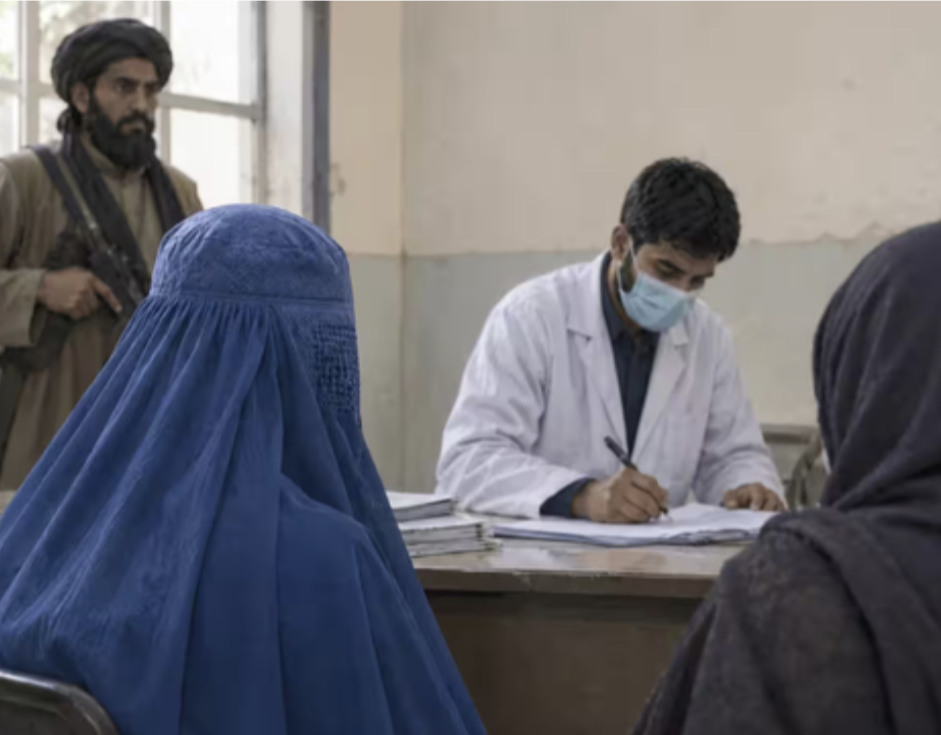
The naming ban compounds a tightening network of healthcare restrictions already limiting women’s access to medical treatment in northern Afghanistan. According to hospital accounts cited in the investigation, male doctors in government facilities are prohibited from directly examining female patients, even during urgent consultations or medical emergencies, unless female medical personnel are present. Yet because the Taliban have barred girls and women from secondary schools, universities, and medical training institutes since returning to power in August 2021, Afghanistan faces an acute shortage of female physicians, nurses, and midwives. Women are left caught in a fatal bind: forbidden from receiving care from male doctors, barred from the education required to train female replacements, and now stripped even of their names on the prescription pad.
Although the directive has so far been documented specifically in Balkh province and enforcement varies across local offices, human rights observers caution against viewing it as an isolated local measure. As Zubaida Akbar, head of the Afghanistan program at the women’s rights organization Femena, noted to El País, several of the Taliban’s harshest nationwide decrees originated as localized provincial orders before being adopted across the country by Kabul’s leadership.
More than five years after the Taliban returned to power, restrictions on Afghan women have expanded from barring them from classrooms, workplaces, and public spaces to erasing their very names from hospital charts and state ledgers. In Balkh, reducing millions of women to a single generic word or an animal label turns a basic record of human existence into an instrument of erasure, with direct consequences for both dignity and survival.