
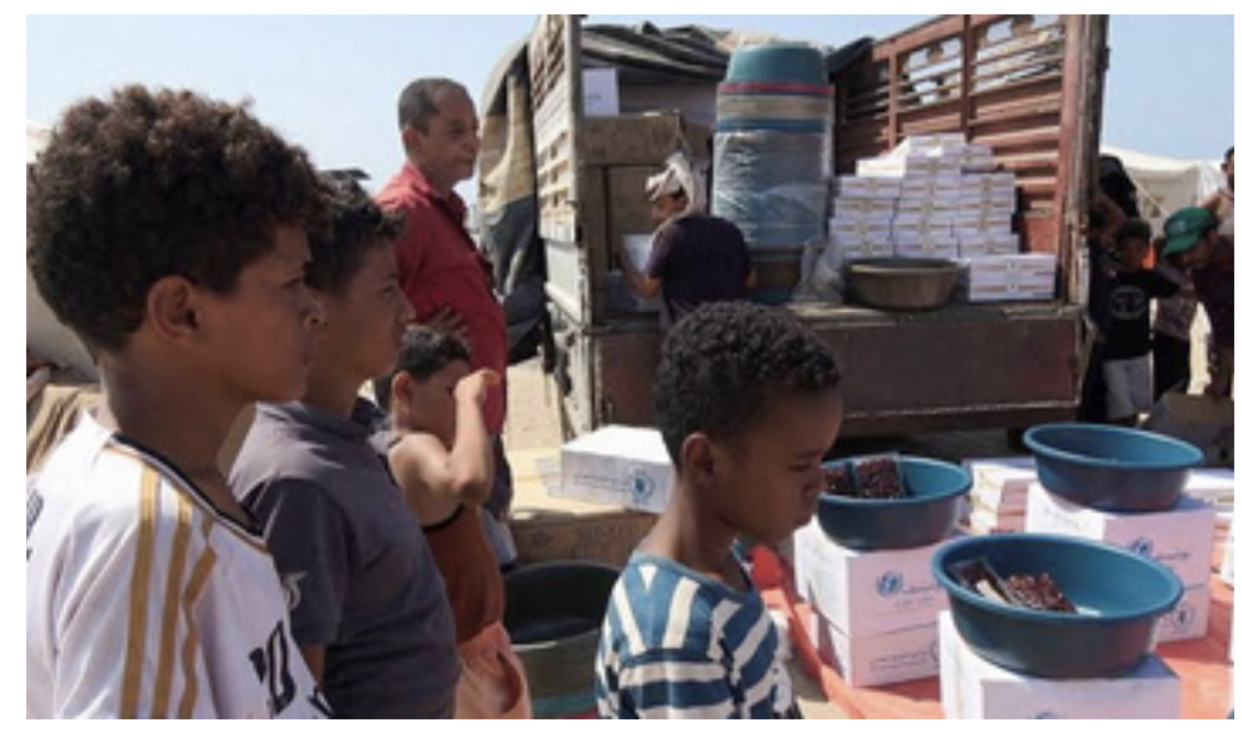
Acute food insecurity is set to worsen sharply across 16 global hotspots between December 2026 and May 2027, with famine threatening parts of Africa, the Food and Agriculture Organization and the World Food Programme warned on Friday in Rome. In their joint Hunger Hotspots early warning report, the two United Nations agencies placed Sudan, South Sudan, Somalia, parts of northern Nigeria, and Yemen at the highest level of concern, driven by armed conflict, mass displacement, economic strain, and climate extremes.
The number of hunger hotspots climbed from 13 in June to 16 in the latest assessment, with newly added areas including Southern Africa, the Central American Dry Corridor, and northeastern Uganda, alongside Chad due to spillover from the war in neighbouring Sudan. Conflict and violence remain primary drivers across 12 of the 16 hotspots. Famine risks are flagged in 13 areas of North Darfur and South Kordofan in Sudan through January 2027, as well as in parts of South Sudan and among displaced populations around Baidoa in Somalia. In northern Nigeria and Yemen, ongoing insecurity, market disruptions, and fragile economies continue to push household food access toward crisis levels.
A developing El Niño pattern is compounding the crisis by swinging weather regimes toward drought and extreme heat in Southern Africa and Central America while raising flooding risks in parts of Eastern Africa. In Southern Africa alone, high acute food insecurity over the coming months is projected to hit up to 3 million people in Zimbabwe, 2.6 million in Malawi, and 1.8 million in Mozambique as dry conditions threaten crops.
Submit Your Press Release
Get your company news, announcements, launches, appointments and events in front of a wider audience.


Humanitarian resources are shrinking just as needs expand. Food security and nutrition funding for the five highest-concern hotspots fell 62 per cent between 2022 and 2025, dropping from $5.1 billion to $2 billion, while the agencies’ joint El Niño anticipatory action plan to protect 9 million people across 22 countries faced a $125 million funding shortfall. World Food Programme Executive Director Luke J. Lindberg said the report identifies where famine could strike next and argued that averting catastrophe hinges on ending conflicts, resourcing field teams, and securing safe humanitarian access rather than operational capability.
When climate volatility collides with prolonged instability and shrinking aid budgets, vulnerable farming communities absorb the earliest and hardest blows.



