
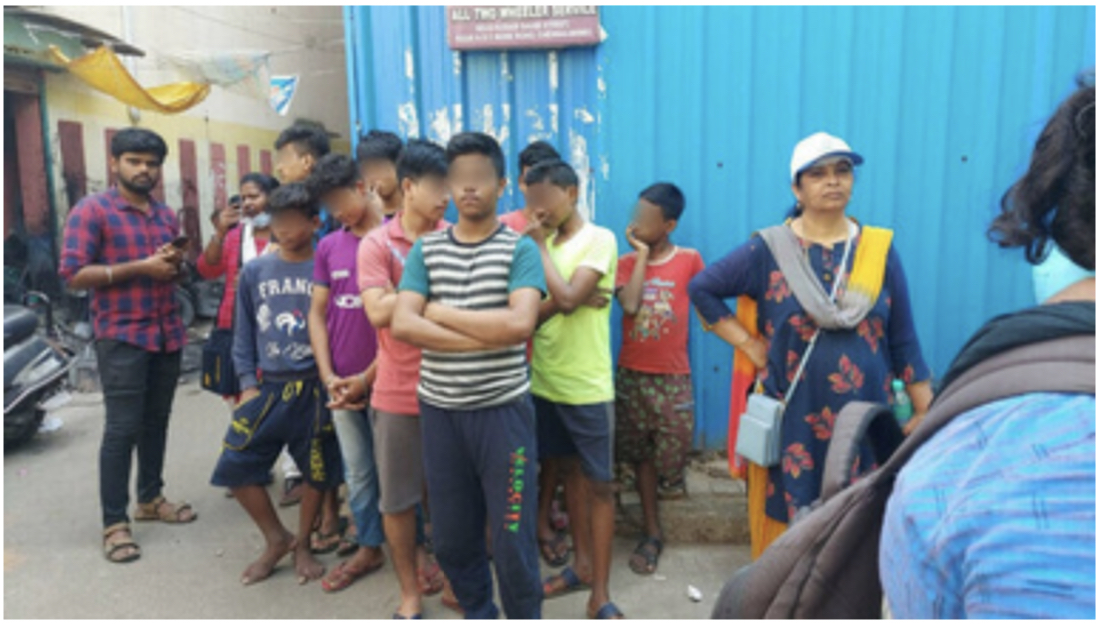
Authorities in India’s southern state of Telangana have rescued twenty five workers, including nine children, after several families were allegedly held in debt bondage for between ten and fourteen years. The operation followed alerts raised by social workers, prompting district officials to inspect the facilities after reports of physical abuse, withheld wages, and severe curbs on movement.
Across India, debt bondage remains one of the most persistent forms of coercive labour in informal sectors such as brick kilns, stone quarries, and small manufacturing units. Workers and their families typically take small upfront advances during medical emergencies, weddings, or seasonal lean periods, only to find the debt compounded by inflated deductions, low piece rate pay, and arbitrary fines. When wages are withheld or kept below subsistence levels, the original advance becomes nearly impossible to clear, turning families into unpaid labour across years and trapping children alongside their parents.
In Telangana, migrant and local labourers working in brick kilns and small worksites have repeatedly surfaced in enforcement drives and human rights reviews. While India’s Bonded Labour System (Abolition) Act outlaws debt bondage and mandates criminal prosecution, release certificates, and state rehabilitation support, activists and labour monitors often point to a wide gap between statutory promises and day to day enforcement. Poor documentation, delayed police cases, and uneven coordination across labour, revenue, and child welfare departments can leave survivors vulnerable even after a raid takes place.
Submit Your Press Release
Get your company news, announcements, launches, appointments and events in front of a wider audience.


For children caught in these arrangements, the cost stretches far beyond lost wages. Years spent inside worksites or makeshift shelters cut minors off from regular schooling, healthcare, and safe childhoods, while exposing them to hazardous physical conditions and exploitation. Ensuring that rescued families receive formal legal recognition, immediate financial assistance, safe transit, and long term rehabilitation is essential if they are not to be pulled back into debt out of sheer economic necessity.
Freeing workers from a site is only the first step in dismantling bonded labour. Strict prosecution of abusive employers, steady oversight of high risk industries, and durable economic alternatives for vulnerable households is a must for real change, before another decade slips away in servitude for the helpless.



