Sri Lanka is approaching the latter stages of an IMF programme that helped restore stability after economic collapse. The more important question is what happens when the programme eventually disappears but the discipline it imposed is still required.
For several years Sri Lanka has had a convenient explanation for almost every difficult economic decision. Taxes increased because of the IMF. Electricity tariffs changed because of the IMF. State enterprises had to recover their costs because of the IMF, while tighter government spending and a multitude of reforms could similarly be attached to the programme negotiated after the economic collapse.
There is one problem with that explanation. The IMF did not invent Sri Lanka’s arithmetic.
Submit Your Press Release
Get your company news, announcements, launches, appointments and events in front of a wider audience.


Sri Lanka spent beyond its sustainable means, borrowed heavily, accumulated debt, maintained politically attractive prices and eventually exhausted its foreign currency resources. By 2022 the country could no longer meet its external debt obligations and lacked sufficient foreign exchange for essential imports. The IMF arrived after the disaster rather than before it.
The present Extended Fund Facility subsequently provided an economic framework around which debt restructuring, revenue reform, monetary discipline and other changes could be organised. It also provided something equally important to a country that had defaulted: an external measure of credibility.
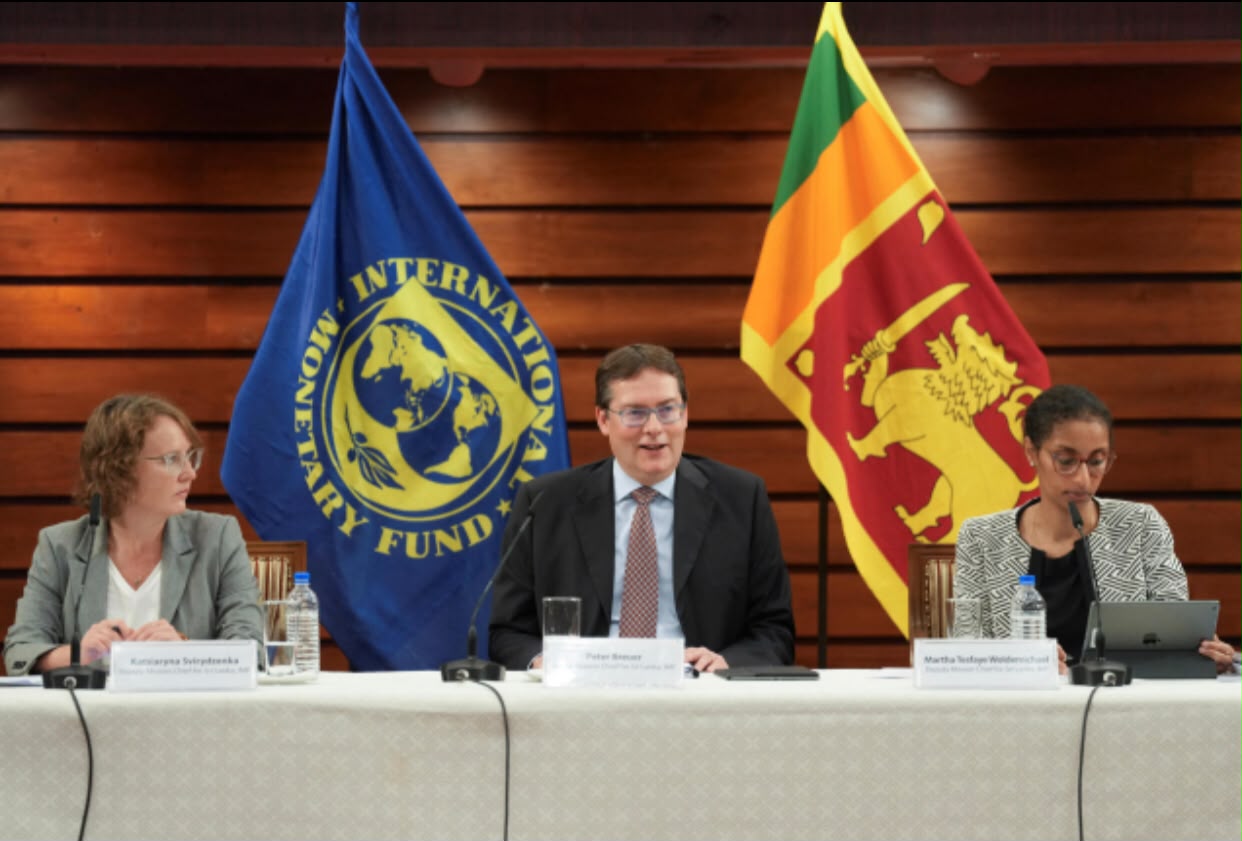
The seventh review has still not been completed. Recent discussions between the IMF and Sri Lankan authorities ended without a staff-level agreement, although talks are continuing. The Fund has simultaneously acknowledged that the economy has shown considerable resilience, including growth of 4.2 percent in the second quarter and official reserves reaching US$6.9 billion by the end of August.
That combination is worth examining carefully. Sri Lanka is recovering, but the institution overseeing the rescue programme is not yet prepared to sign off on the next review. The unfinished business includes medium-term revenue, energy pricing, capital expenditure and the continuing structural reforms required to make the recovery sustainable.
Eventually, however, the present programme will end. Whether Sri Lanka then seeks another arrangement, a precautionary facility or attempts to proceed without further IMF financial assistance will depend upon conditions at the time. The more important issue is whether the country can retain economic discipline when that discipline no longer arrives attached to an IMF review.
Sri Lanka will still need sufficient government revenue. Debt will still have to be serviced, foreign exchange reserves maintained and state enterprises prevented from becoming unlimited claims upon taxpayers. A government cannot permanently spend substantially more than it collects merely because an IMF programme has expired.
This is where the next political argument is likely to begin. Economic stability is valuable, but stability that permanently places the burden upon people least able to afford it will eventually encounter resistance. The Government therefore has to demonstrate that fiscal discipline and economic growth can translate into improving living standards rather than simply improving ratios on a spreadsheet.
The Middle East crisis has provided a useful warning about how quickly circumstances can change. Sri Lanka did not create the oil shock, yet higher petroleum prices have already affected inflation, the external account and the amount of foreign currency required for imports. El Niño, international trade disputes and geopolitical instability present additional risks over which Colombo has very little control.
That is precisely why reserves, manageable debt and responsible public finances matter. Economic buffers can appear unnecessarily conservative during good times and become invaluable the moment something goes wrong.
Sri Lanka has spent decades treating economic reform as something to be undertaken during a crisis and relaxed once the immediate danger has passed. That cycle helped produce the circumstances of 2022. The real test of the present recovery is therefore not whether Sri Lanka successfully completes an IMF programme.
It is whether, after the IMF programme ends, Sri Lanka can finally resist the temptation to need another rescue.