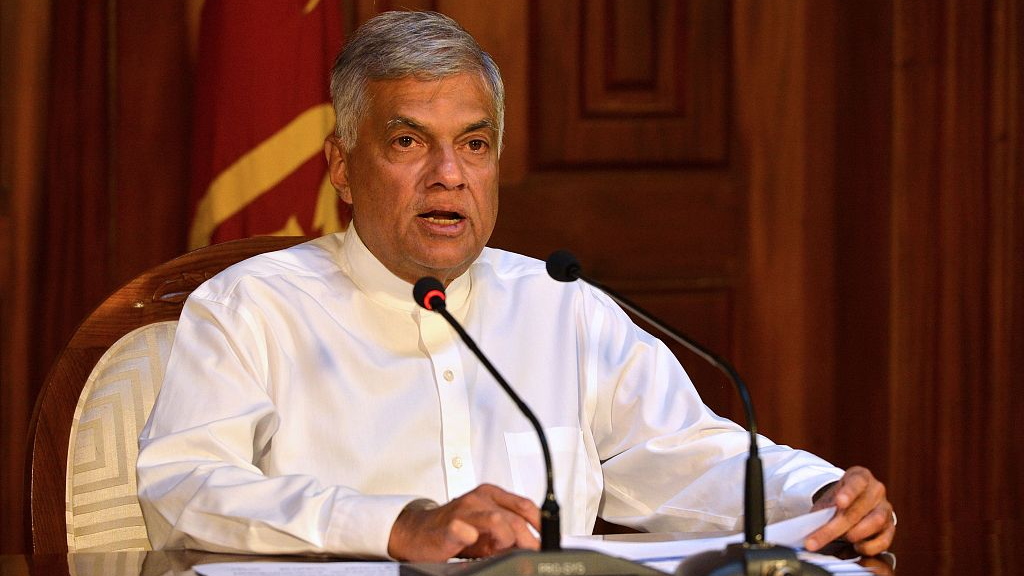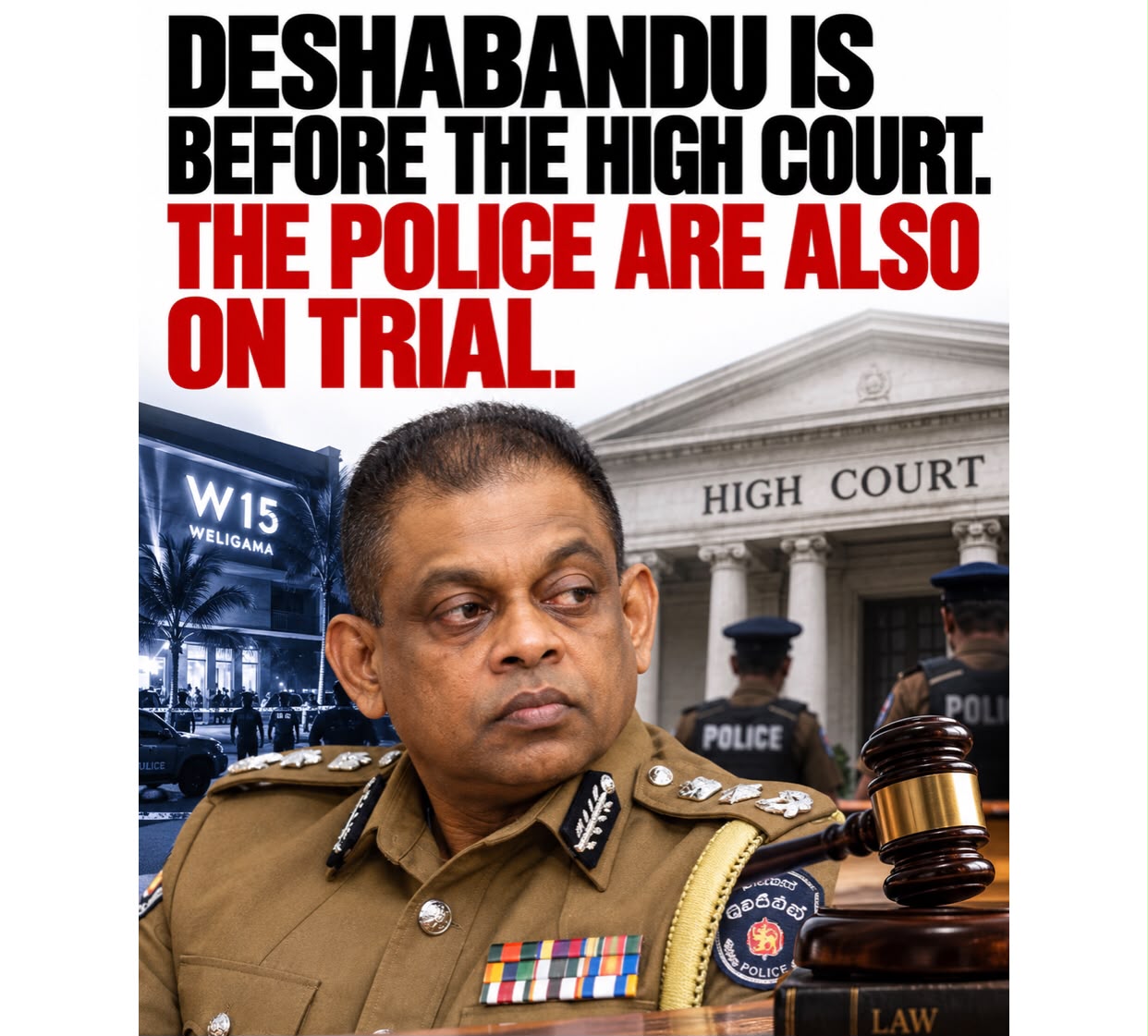
Former Inspector General of Police Deshabandu Tennakoon and other officers have been indicted over the Weligama hotel shooting. The court will determine their individual responsibility. The institution they served faces a different judgment: whether Sri Lanka has finally built a Police service in which rank cannot place an officer beyond accountability.
A former Inspector General of Police standing before the High Court as an accused is not an everyday event. Deshabandu Tennakoon and other police officers have now been indicted in connection with the December 2023 shooting outside the W15 Hotel in Weligama, an extraordinary episode in which an operation involving one group of police officers ended with another group of police officers opening fire and a police sergeant dead.
The facts and criminal responsibility must now be determined by the court. Tennakoon and the other accused are entitled to the presumption of innocence, and an indictment is not a conviction. The larger institutional questions, however, already exist irrespective of what the eventual verdict may be.
Submit Your Press Release
Get your company news, announcements, launches, appointments and events in front of a wider audience.


The Sri Lanka Police possesses powers unavailable to almost every other institution in the country. Its officers can arrest, detain, search and investigate. They carry weapons in the name of the State and assemble evidence upon which another citizen can lose his liberty, making accountability inside the Police not an optional exercise in good governance but a fundamental requirement of the rule of law.
The Weligama episode exposed something deeply troubling because the central issue was not merely whether an individual officer acted improperly. It raised questions about how special operations are authorised, how commands are communicated, whether the police division into which an armed team travels is informed, who maintains operational records and where responsibility ultimately rests when an operation goes catastrophically wrong.
Those are not technicalities. Proper procedure protects the public, but it also protects police officers themselves. An officer sent on a lawful operation should know who authorised it, what his instructions are and whether other police units know that he is there.
Sri Lanka has spent years debating police independence while simultaneously allowing public confidence in policing to be repeatedly tested. Allegations of custodial violence, politically influenced investigations, selective enforcement and abuse of authority have damaged the institution far beyond the individuals directly involved.
That can produce an unfair consequence for the thousands of police officers who simply do their jobs. Every questionable arrest makes the next legitimate arrest harder to trust, while every investigation perceived as politically manipulated damages the credibility of the investigator who is actually following the evidence. Protecting the reputation of good police officers therefore requires dealing decisively with bad policing.
This is also where the Government’s anti-corruption and accountability programme faces one of its most difficult tests. It is relatively easy to announce investigations into former politicians. It is considerably harder to create institutions capable of investigating themselves when the evidence leads towards their own senior ranks.
The answer cannot be political control of the Police under the banner of reform. Sri Lanka has tried versions of that before and knows where they lead. Nor can independence mean that senior officers become effectively answerable only to themselves.
A professional Police service requires a chain of command that can be reconstructed after an incident. Orders should be recorded. Sensitive operations should have clearly identifiable authority. Internal investigations should possess sufficient independence to follow evidence upward rather than stopping conveniently at the lowest available rank.
That last point is particularly important. Accountability becomes meaningless when junior officers carry responsibility for decisions made above them, just as it becomes dangerous when senior officers are prosecuted simply because a new political administration dislikes the people appointed by the previous one. Neither is justice.
The courts must therefore be left to decide the Weligama case on its evidence, not on Deshabandu Tennakoon’s popularity, unpopularity or political history. If the prosecution proves its case, the consequences should follow. If it cannot, the accused must be acquitted.
But Sri Lanka should not wait for that verdict to examine the institutional weaknesses revealed by the incident itself. A Police service entrusted with enormous powers must have systems capable of establishing who gave an order, who carried it out and whether it was lawful.
The badge gives authority. It cannot give immunity.