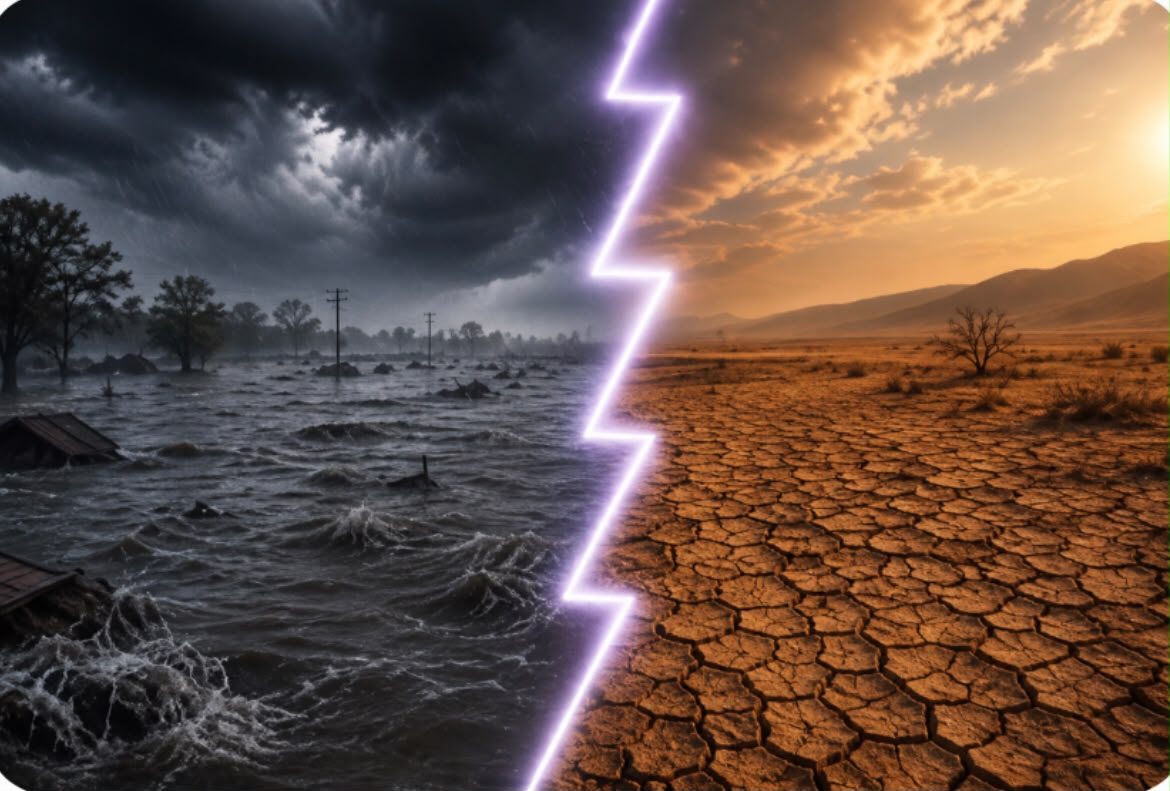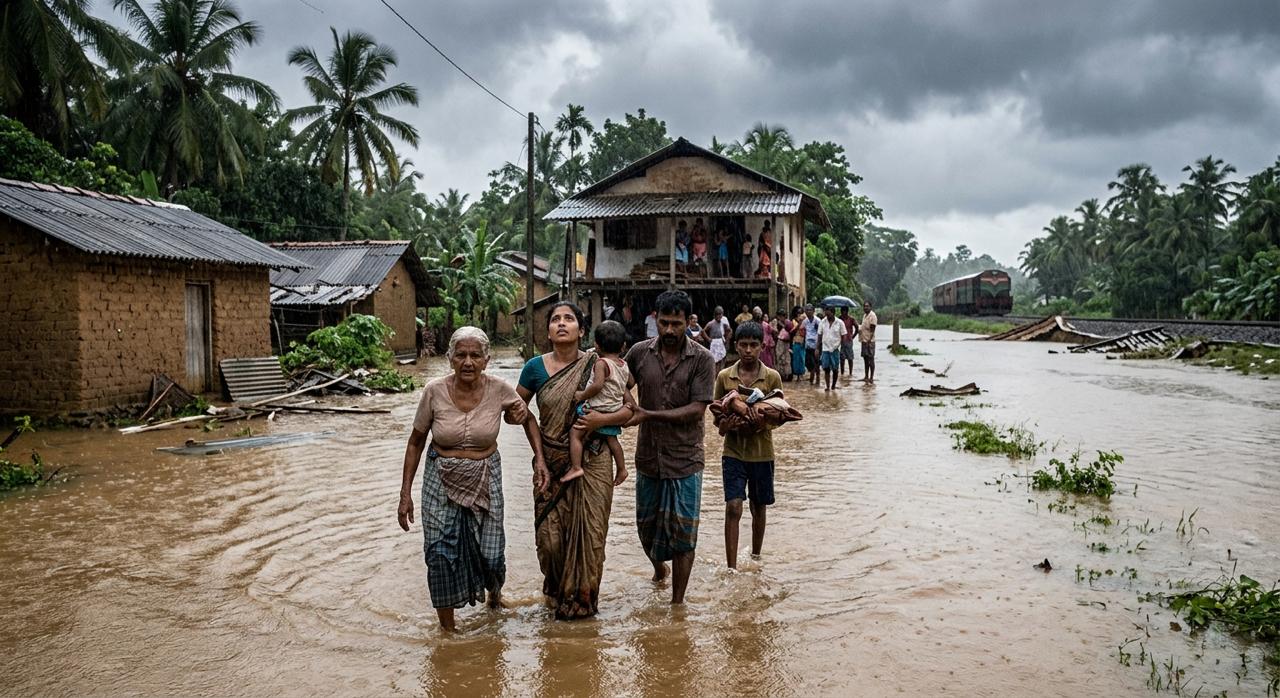
More than 4,000 people across 17 districts have been affected by heavy rain, with deaths, injuries and disruption to the railway network already reported. Sri Lanka cannot prevent the rain. After experiencing floods and landslides with depressing regularity, however, it is entitled to ask how much of the resulting damage should still be regarded as unavoidable.
Heavy rain has once again brought disruption to large parts of Sri Lanka. More than 1,000 families have been affected across 17 districts, lives have been lost, people have been injured and sections of the country’s transport network have been disrupted.
The immediate priority is naturally the safety of those living in vulnerable areas. Disaster management officials, the armed forces, police, local authorities and other agencies have established procedures for responding when water rises, slopes become unstable and communities need assistance.
Submit Your Press Release
Get your company news, announcements, launches, appointments and events in front of a wider audience.


Sri Lanka has considerable experience doing this. Perhaps that is part of the problem.
Flooding has become sufficiently familiar that there is a danger of treating each episode as an entirely new natural disaster. The rain arrives, warnings are issued, roads disappear beneath water, trains are disrupted, houses are damaged and emergency services respond. Eventually the water recedes and attention moves elsewhere until the next period of exceptionally heavy rain.
Yet the rainfall may be natural while much of the resulting disruption is not.
Blocked drains, construction across natural waterways, inadequate maintenance of canals, poorly planned development and the gradual reduction of areas capable of absorbing water can turn intense rainfall into something considerably worse. Landslide risk presents different challenges, but here too mapping, enforcement, early warnings and restrictions on unsafe development can determine whether extreme weather becomes a human disaster.
NEWSLINE recently looked at Bangkok’s continuing battle with urban flooding. Thailand has certainly not solved the problem, but its experience demonstrated something important. Flood management is not merely about what authorities do after streets disappear beneath water. It involves drainage capacity, canals, pumps, retention areas, forecasting, land-use controls and the constant maintenance of infrastructure before the rain begins.
Sri Lanka should apply the same test to itself.
The country already has flood-risk maps, weather forecasting, disaster management institutions and considerable historical knowledge of the areas repeatedly affected. What is less clear to the public is whether that knowledge consistently influences planning decisions made during the dry months.
When the same road floods repeatedly, there should be an explanation for why. When the same railway section becomes vulnerable, the question should move from when services will resume to what engineering intervention is required to reduce the likelihood of it happening again.
The same applies to urban development. Planning approval for another building may appear to concern one particular plot of land, but water does not recognise property boundaries. Fill wetlands, obstruct drainage paths or place more concrete over absorbent ground and the consequences can emerge some distance away.
Climate change adds another dimension. If periods of extreme rainfall become more intense or less predictable, infrastructure designed around historical weather patterns may no longer be adequate. That makes adaptation an infrastructure issue rather than simply an environmental discussion.
None of this means every flood can be prevented. Sri Lanka is a tropical island exposed to monsoons, intense rainfall and difficult terrain. There will always be weather events powerful enough to overwhelm even well-maintained systems.
The distinction is between damage that genuinely could not reasonably have been prevented and damage caused because something known to be necessary was not done.
Every death during severe weather is first a human tragedy. Once the immediate emergency has passed, however, government should be prepared to examine whether failures of planning, maintenance or enforcement contributed to what happened.
Sri Lanka cannot negotiate with the monsoon. It can certainly do rather more about what happens to the water after it falls.
Be that as it may, bad weather is an explanation for rain. It should not automatically become an explanation for everything that follows.