The Asian Development Bank has approved US$200 million to improve financing for Sri Lanka’s micro, small and medium-sized enterprises. Half will support policy and institutional changes intended to make it easier for smaller firms to obtain finance. The other US$100 million is a financial intermediation loan intended to expand investment lending through participating institutions. Of that amount, US$40 million is earmarked for green loans.
The distinction matters to an owner deciding whether to apply. A policy-based loan can support changes to regulation, credit guarantees or the way lenders assess applicants. The investment-lending component is the part designed to finance businesses through participating lenders. Approval of the package is the first step. A business owner still needs to know when applications will open, which institutions will accept them and what an applicant will have to put up as security.
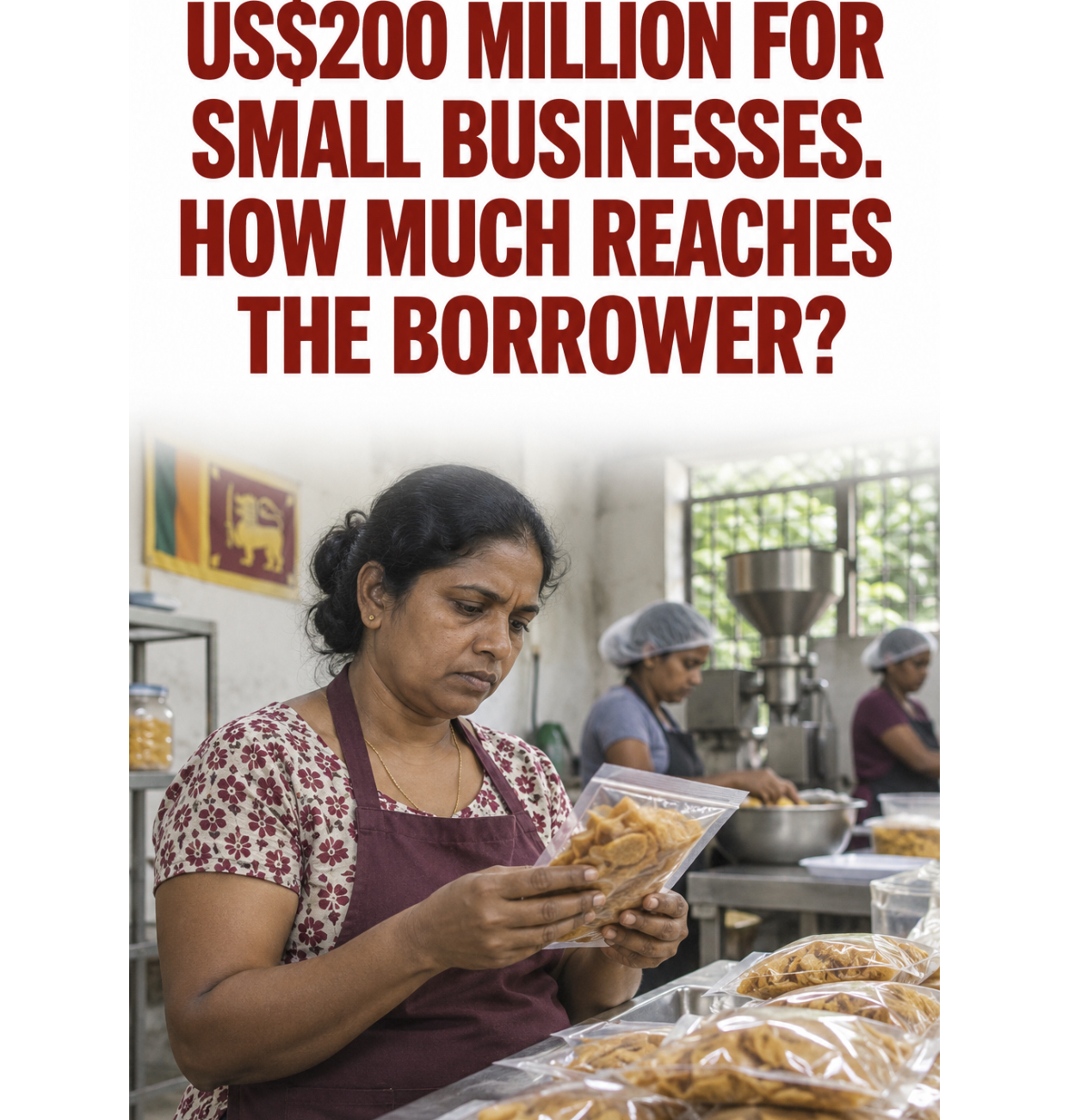
The ADB says smaller enterprises account for more than half of Sri Lanka’s gross domestic product and about 45% of employment. The category takes in very different businesses. A food processor applying to replace an unreliable refrigeration unit may already have regular orders and cash-flow records. A small manufacturer seeking to buy equipment for its first large contract may have an order book and little property to pledge. A lending programme designed around one applicant can easily miss the other.
Submit Your Press Release
Get your company news, announcements, launches, appointments and events in front of a wider audience.


Credit guarantees could help lenders consider viable firms that cannot meet conventional collateral requirements. The terms will determine how useful those guarantees are. A partial guarantee still leaves the lender with risk, and a borrower needs to know whether the guarantee changes the security requirement, the interest rate or the size of the loan available. A simple application process matters as well. A small firm can ill afford to pay for valuations and paperwork before finding out whether it qualifies.
The green-lending component also needs clear rules. A hotel might want to replace an inefficient hot-water system, while a small factory might want to cut electricity use by upgrading motors or refrigeration. Owners will want to know whether the programme finances this kind of incremental investment, how it measures energy savings and whether technical advice is available before they commit to equipment.
The Ministry of Finance and the participating lenders could publish one schedule covering eligibility, loan sizes, indicative rates, collateral requirements and application dates. They could then report how much has been disbursed, with enough detail to show whether businesses outside Colombo and women-owned enterprises are gaining access. Approval rates and typical processing times would tell applicants more than a national announcement alone.
For an owner making a decision about machinery, stock or expansion, the answer needs to come before a supplier’s quote expires or a customer takes an order elsewhere. The package will earn its value when a viable business can see the terms, make an application and get a decision in time to use the money.