National inflation climbs to its highest level in more than three years as household prices begin demanding attention alongside the stronger economic numbers
COLOMBO – Sri Lanka’s national consumer-price inflation accelerated to 7.2 per cent in July, reaching its highest level in more than three years and introducing an uncomfortable counterpoint to the stronger reserves, growth and foreign-exchange numbers being highlighted by the Government.
The latest National Consumer Price Index showed inflation rising from the previous month as price pressures strengthened across the economy. The increase remains far removed from the extraordinary inflation experienced during the economic crisis, but a return above seven per cent will inevitably attract the attention of both policymakers and households.
Submit Your Press Release
Get your company news, announcements, launches, appointments and events in front of a wider audience.


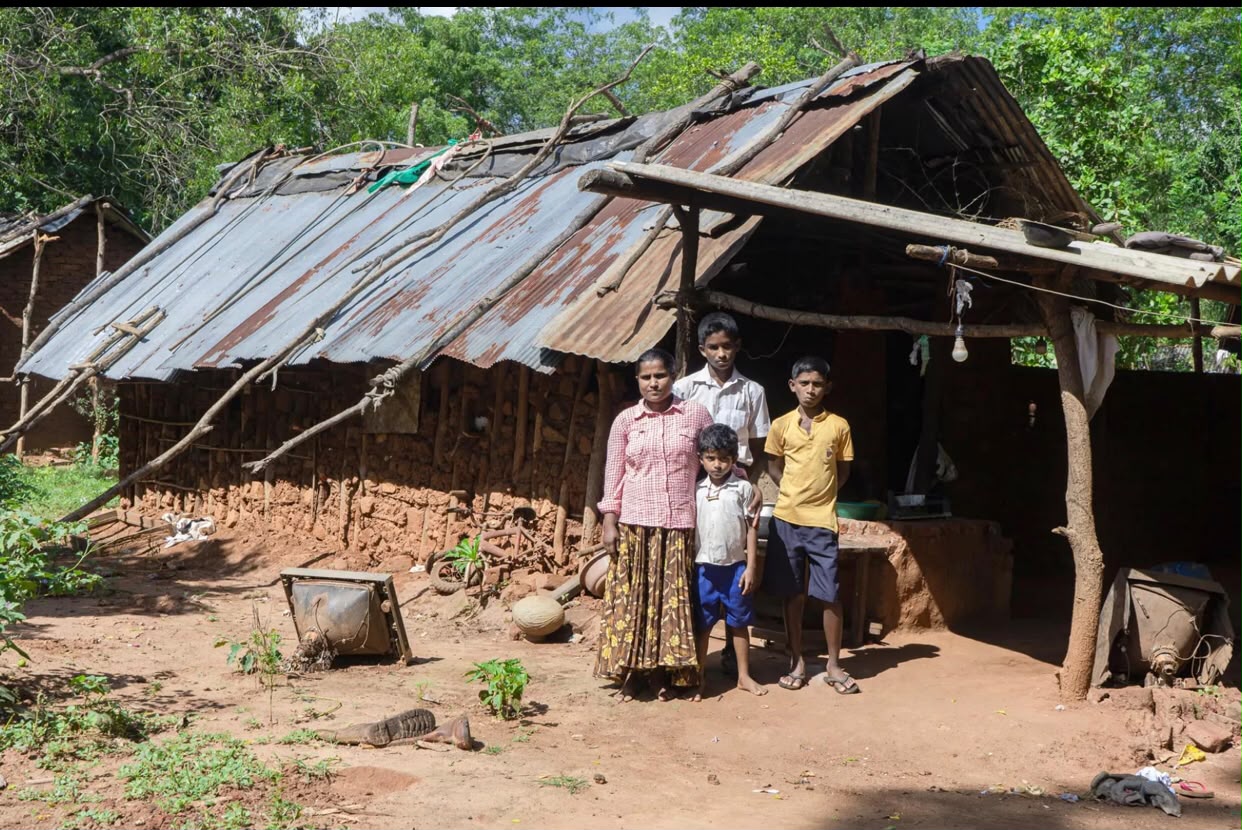
For ordinary Sri Lankans, inflation is experienced rather differently from the way it appears in economic statistics. The practical measure is the amount remaining from a salary after food, electricity, transport, education, medicine, rent and other unavoidable household expenses have been paid.
That distinction has political consequences. An economy can be stabilising at the national level while families continue to feel financially insecure, particularly where wages have not increased sufficiently to compensate for the cumulative rise in prices experienced since the crisis.
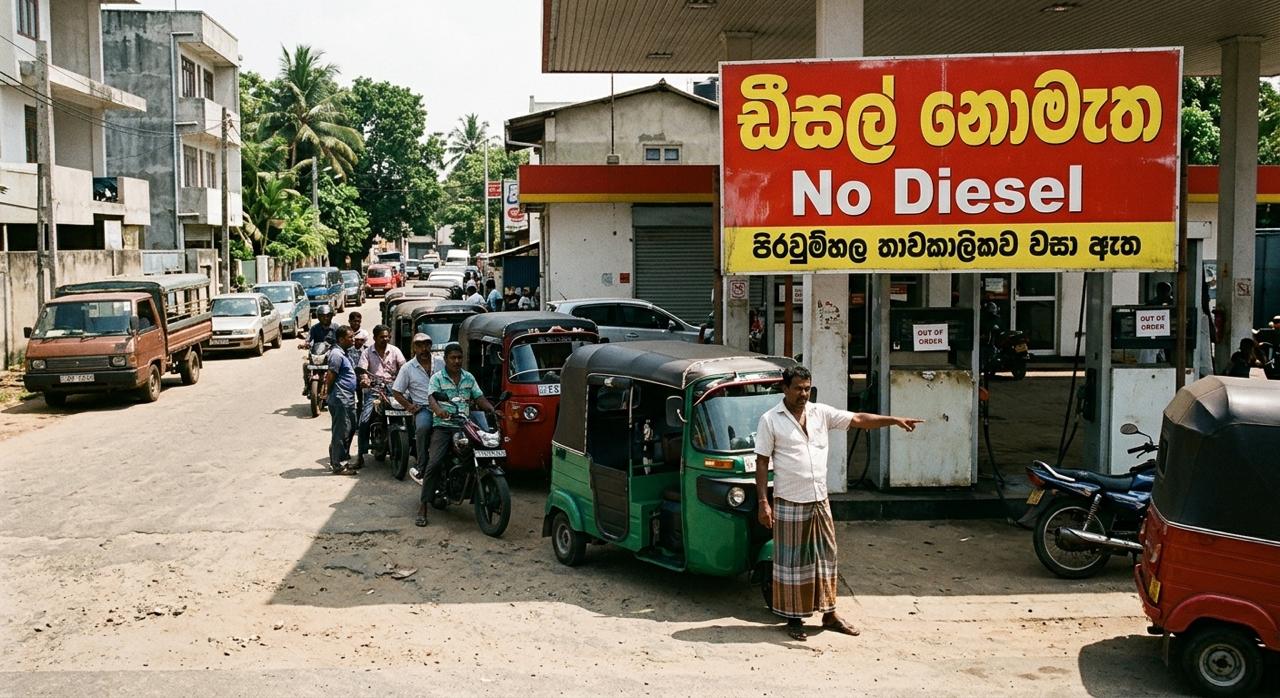
Sri Lanka’s recovery has unquestionably improved several major economic indicators. Foreign reserves have strengthened, shortages have disappeared, tourism and remittances are generating dollars and normal imports have resumed, but the durability of that recovery will increasingly be judged by whether household purchasing power improves alongside the national accounts.
External developments also present a significant risk. Sri Lanka remains heavily dependent on imported energy, leaving domestic prices exposed to the continuing confrontation around the Strait of Hormuz and the wider Middle East. A sustained increase in oil, freight or insurance costs could eventually pass through to transport, electricity, manufacturing and consumer prices.
The 7.2 per cent figure should not therefore be interpreted as a return to crisis conditions, but neither should it be dismissed as economically insignificant. The Central Bank and Government will need to ensure that the restoration of growth does not become accompanied by a sustained acceleration in prices.
Sri Lankans have already endured one period in which household incomes were overwhelmed by inflation. Maintaining economic stability now requires ensuring that the gains recorded in reserves and growth are not gradually surrendered again at the supermarket counter.