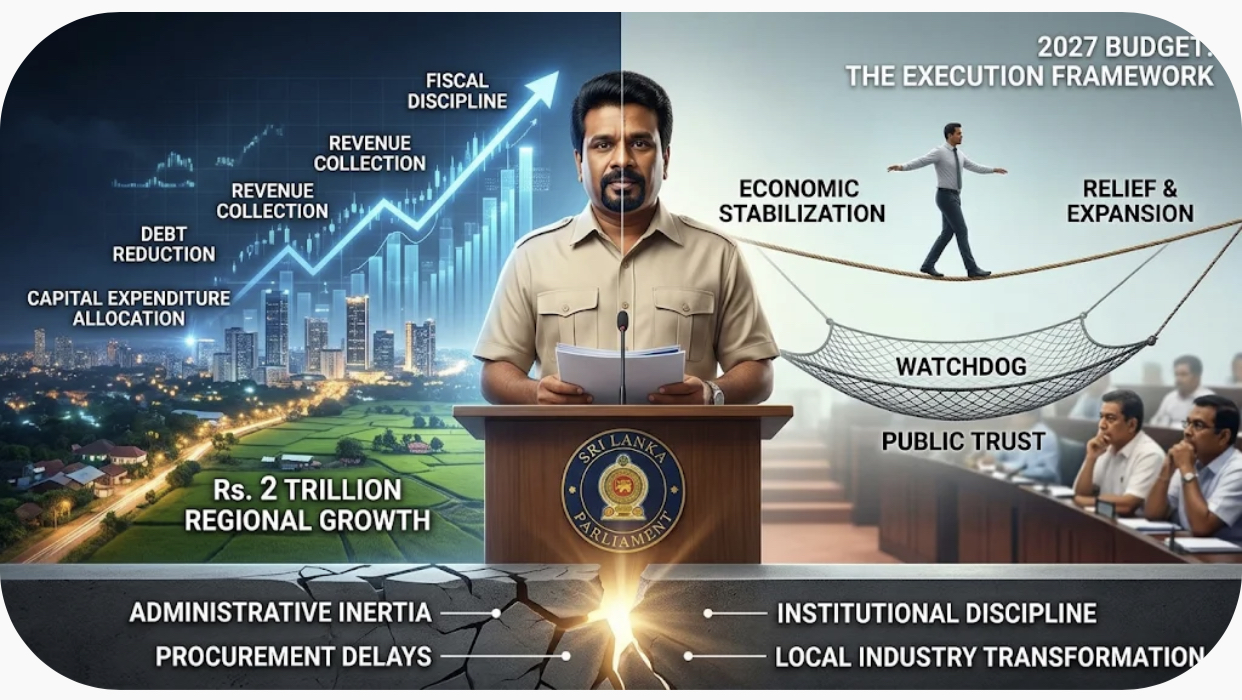
As Parliament braces for the presentation of the 2027 Appropriation Bill tomorrow at 1.30 p.m., the national conversation has shifted from the grim survival math of economic stabilization to the more complex art of expansion. President Anura Kumara Dissanayake, stepping into the legislature in his capacity as Minister of Finance, Planning and Economic Development, faces the classic political tightrope. He must convince a weary public that fiscal discipline has finally paved the way for tangible relief, while proving to watchdogs that state coffers can handle massive new spending without slipping back into old fiscal habits.
Recent disclosures provide a revealing backdrop to the upcoming budget speech. According to an assessment by Verité Research’s PublicFinance.lk platform tracking the 2025 Budget promises, the state achieved its highest rate of fully implemented high-value proposals since monitoring began in 2017, hitting 33%. Major outlays like the Rs. 110 billion public servant salary hike, debt settlements for SriLankanAirlines, and pension revisions successfully cleared the implementation hurdle. Yet the same dashboard serves as a sobering reminder of state inertia, noting that nearly 40% of tracked high-value proposals fell short of substantial implementation or lingered in bureaucratic limbo.
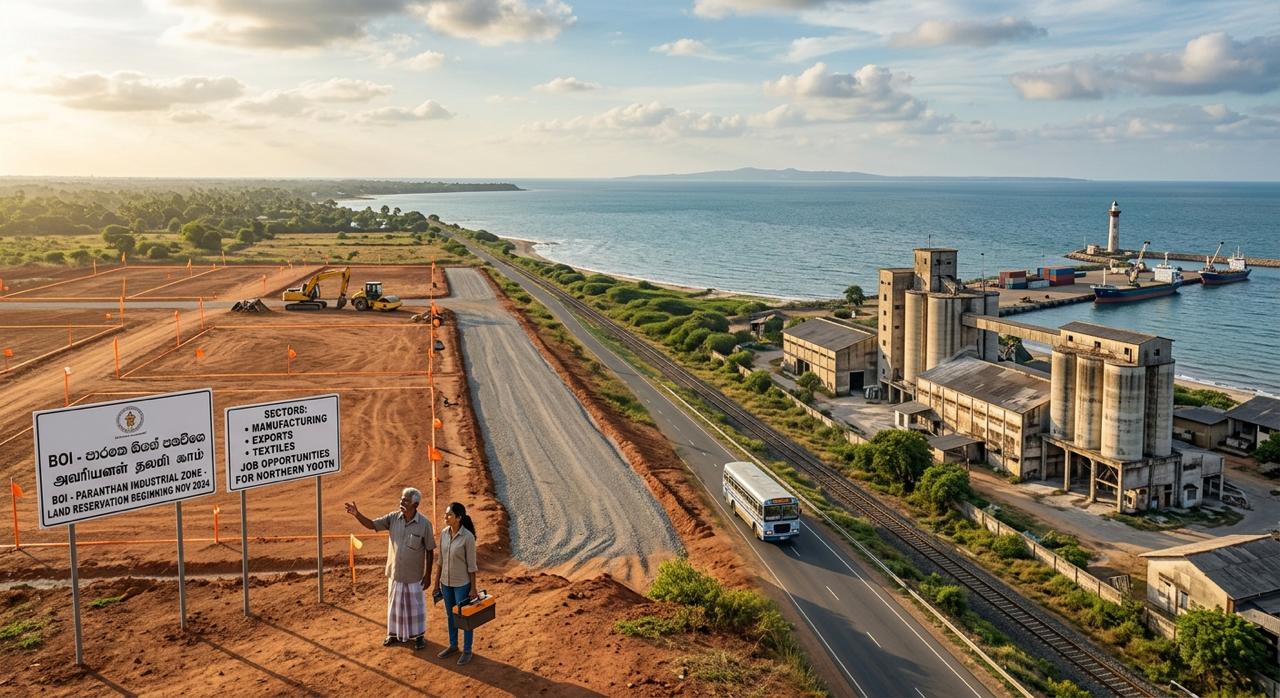
That friction between grand legislative ambition and administrative follow-through sets the stage for the 2027 roadmap. The President’s Media Division has already signaled a massive strategic pivot, highlighting a staggering Rs. 2 trillion allocation earmarked specifically for capital expenditure. After seasons of tightening belts, negotiating debt restructurings, and absorbing severe external shocks including the Cyclone Ditwah disaster and Middle East fuel volatility, the administration is betting that aggressive capital injections can unlock regional growth and rural economic empowerment.
Submit Your Press Release
Get your company news, announcements, launches, appointments and events in front of a wider audience.


Expectations are equally high regarding taxation. Having repeatedly claimed that revenue collection exceeded targets and public debt fell from a staggering 114% of GDP down toward the 90% bracket, the government has dangled the prospect of targeted tax reductions. Yet the arithmetic of cutting taxes while attempting to fund a two-trillion-rupee capital expenditure program requires absolute precision. If state revenues wobble or tax reliefs disproportionately favor consumption over productive investment, the fiscal deficit could widen faster than anticipated.
The official legislative roadmap for the budget has now been locked in by parliamentary authorities following the initial presentation of the Appropriation Bill for its First Reading on October 7. Following tomorrow’s formal presentation of the Second Reading speech, the legislature will launch into an intensive 26-day debate spanning from November 13 to December 14.
The Second Reading Debate will run through November 20, culminating in a vote at 6.00 p.m. that evening. The process then transitions into a 19-day Committee Stage Debate starting November 21 and continuing through December 14, including sittings across four Saturdays. Under the special calendar, standard parliamentary business will run from 9.30 a.m. to 10.00 a.m., followed by Oral Questions and Standing Order queries until 11.00 a.m., after which the budget debate will occupy the chamber daily until 6.00 p.m. The final vote on the Third Reading will take place at 6.00 p.m. on December 14.
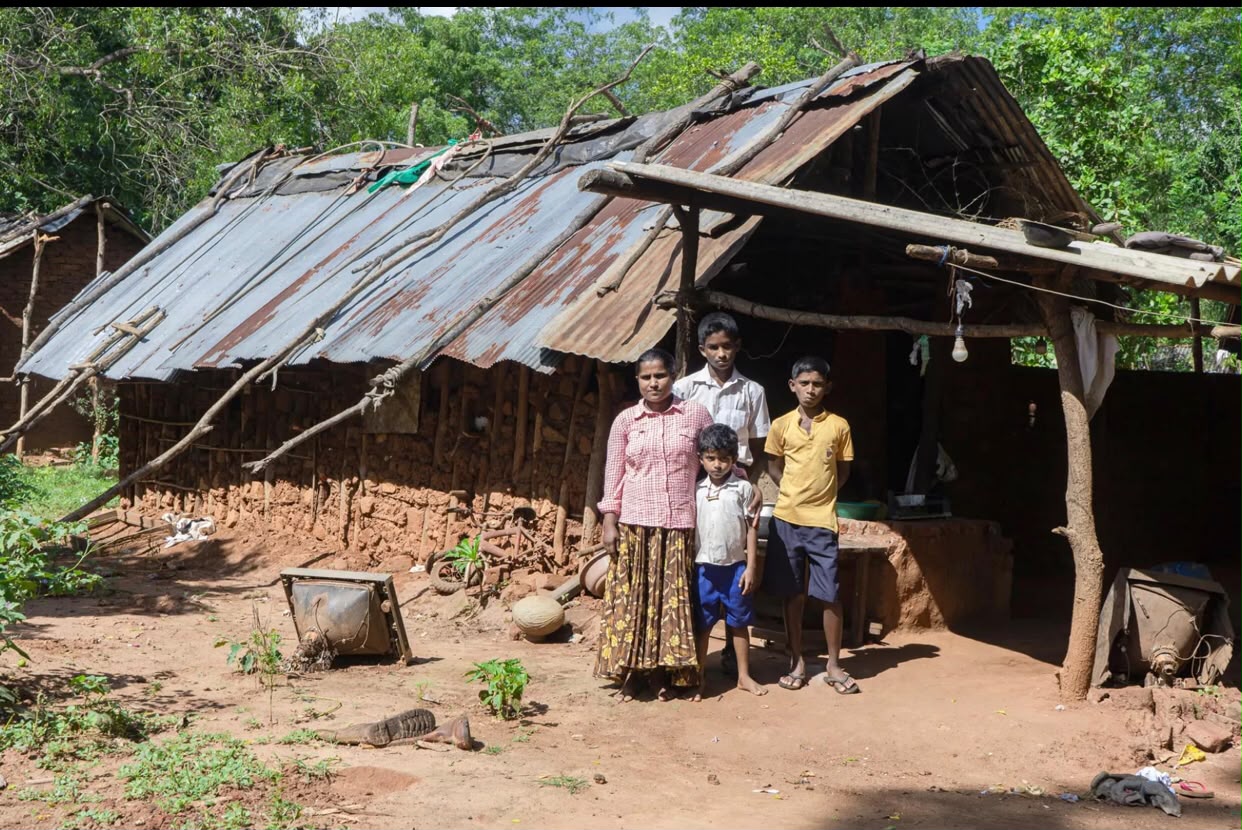
The real test of the 2027 budget will not be found in the grand totals splashed across headlines or the structured cadence of the parliamentary schedule, but in the execution framework. Sri Lanka has never suffered from a shortage of ambitious financial blueprints. What the country needs is the institutional discipline to ensure that capital allocations actually transform local industries, upgrade crumbling provincial infrastructure, and avoid the procurement delays that have plagued past development cycles. Citizens and economists alike will be listening closely tomorrow afternoon to see whether the numbers add up to a genuine economic breakthrough or merely another exercise in political optimism.